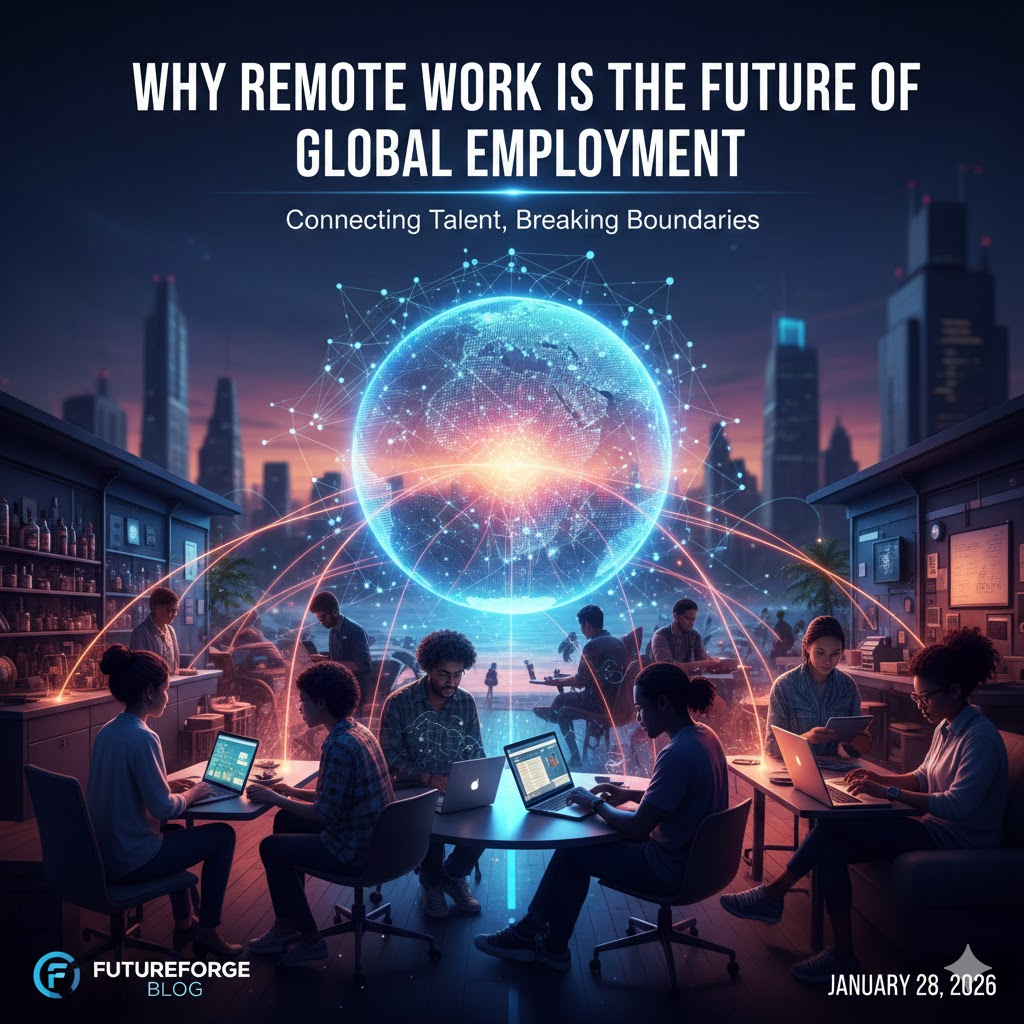
Remote work is no longer a temporary solution or a workplace trend. It has become a long term shift in how companies operate and how people build their careers. Advances in technology, changing employee expectations, and global connectivity have reshaped the traditional idea of employment. As a result, remote work is emerging as the future of global employment.
The Rise of Digital Infrastructure
One of the strongest reasons remote work is growing worldwide is the availability of reliable digital infrastructure. High speed internet, cloud based tools, and collaboration platforms allow teams to work together seamlessly from different locations. Tasks that once required physical presence can now be completed online with greater efficiency.
Video conferencing, project management tools, and secure data systems have made it possible for companies to operate without centralized offices. This digital foundation supports long term remote work at a global scale.
Access to Global Talent
Remote work removes geographical barriers in hiring. Companies can recruit skilled professionals from anywhere in the world instead of limiting themselves to local talent pools. This creates more diverse teams and allows businesses to find the best candidates for specific roles.
For workers, this shift opens access to global job opportunities. People can apply for roles with international companies without relocating, leading to better career options and income potential.
Cost Efficiency for Employers and Employees
Remote work offers financial advantages for both employers and employees. Companies reduce expenses related to office space, utilities, and maintenance. These savings can be redirected toward employee benefits, technology, or growth initiatives.
Employees save on commuting costs, relocation expenses, and daily work related spending. The reduced financial burden improves overall job satisfaction and work life balance.
Increased Productivity and Performance
Many organizations report higher productivity in remote work environments. Employees often experience fewer interruptions and can structure their workdays to match their most productive hours.
Remote work also promotes accountability. Performance is measured by results rather than time spent in an office. This outcome based approach encourages efficiency and ownership of tasks.
Changing Employee Expectations
The modern workforce values flexibility and autonomy. Employees increasingly prioritize roles that allow them to manage personal responsibilities alongside professional commitments.
Remote work supports these expectations by offering flexible schedules and location independence. Companies that adopt remote friendly policies are more attractive to skilled professionals and experience better retention rates.
Environmental Impact and Sustainability
Remote work contributes to environmental sustainability by reducing daily commuting and office energy consumption. Fewer vehicles on the road result in lower carbon emissions, while reduced office usage decreases energy waste.
As sustainability becomes a global priority, remote work aligns with efforts to reduce environmental impact and promote responsible business practices.
Support for Inclusive Employment
Remote work creates opportunities for individuals who may face challenges with traditional office environments. People with disabilities, caregivers, and those living in remote areas can participate in the workforce more easily.
This inclusive approach helps build equitable employment systems and allows more people to contribute their skills and experience.
Adaptability to Global Changes
Remote work enables businesses to remain resilient during global disruptions. Whether facing economic shifts, health crises, or natural events, companies with remote systems can continue operations with minimal interruption.
This adaptability strengthens long term business stability and reinforces remote work as a sustainable employment model.
The Future Outlook of Remote Work
As technology continues to evolve, remote work will become even more integrated into global employment. Hybrid models, remote first companies, and flexible work arrangements will define the future workplace.
Education systems and professional training are also adapting to support remote careers, ensuring that future generations are prepared for digital work environments.
Final Thoughts
Remote work is shaping the future of global employment by redefining where and how people work. It offers flexibility, inclusivity, efficiency, and access to global opportunities.
As businesses and professionals continue to embrace this model, remote work will remain a key driver of economic growth and workforce transformation. The future of work is not confined to offices. It is connected, global, and remote.