Remote work is no longer just a temporary trend. For many professionals, it has become a long term career choice that offers flexibility, global opportunities, and better work life balance. However, building a sustainable remote career requires more than landing a remote job. It involves planning, skill development, adaptability, and intentional decision making over time.
A sustainable remote career is one that grows with you, supports your financial goals, protects your well being, and remains relevant in a changing job market. This guide shares practical career tips, guidance, and real world insights to help you build a remote career path that lasts.
Understanding What a Sustainable Remote Career Means
Sustainability in a remote career goes beyond income. It includes stability, growth, job satisfaction, and resilience. A sustainable remote career allows you to adapt to changes in technology, market demand, and personal priorities without constant stress or burnout.
Key elements of sustainability include:
- In demand skills that evolve with time
- Reliable income or diversified income sources
- Healthy routines and boundaries
- Continuous learning and career growth
- Strong professional relationships
When these elements work together, remote work becomes a long term advantage rather than a short term solution.
Choosing the Right Remote Career Direction
The first step in building a sustainable remote career is choosing a direction that aligns with both your skills and market demand. Popular remote career paths include technology, marketing, design, writing, customer support, data analysis, project management, and consulting.
Ask yourself:
- What skills do I already have
- What type of work do I enjoy doing consistently
- What remote roles are growing in demand
- What income level do I want to reach
Research job boards, company websites, and industry reports to understand which roles offer long term potential. Sustainability comes from choosing a path that you can grow in, not just tolerate.
Building and Strengthening Relevant Skills
Skills are the foundation of any remote career. Employers value professionals who can work independently, communicate clearly, and deliver results without supervision.
In addition to technical skills, focus on building:
- Written communication skills
- Time management and self discipline
- Problem solving ability
- Collaboration and adaptability
Remote professionals who continuously upgrade their skills stay competitive and confident even as job requirements evolve.
Creating a Strong Remote Ready Profile
Your online presence plays a major role in remote career success. Employers often evaluate candidates based on resumes, portfolios, and professional profiles before any interview.
To build a strong profile:
- Highlight remote work experience clearly
- Focus on results rather than responsibilities
- Showcase tools and technologies you use confidently
- Include examples of independent work
A clear and honest profile helps employers trust that you can succeed in a remote environment.
Navigating Remote Job Interviews Successfully
Remote interviews require preparation and confidence. Employers are not only assessing your skills but also your ability to communicate clearly through digital platforms.
Interview tips for remote roles:
- Test your internet connection and setup in advance
- Choose a quiet and professional background
- Be prepared to explain how you manage time and tasks
- Share examples of remote collaboration
Demonstrating reliability and clarity during interviews increases your chances of success.
Understanding Salary and Income Growth in Remote Careers
Remote salaries vary widely depending on role, experience, location, and company. Some remote professionals earn location based salaries, while others earn globally competitive pay.
To build sustainable income:
- Research salary ranges for your role
- Track your contributions and achievements
- Negotiate confidently based on value
- Explore multiple income streams if possible
Freelancers and consultants often combine clients, while full time remote workers focus on promotions and skill based raises.
Learning from Real Remote Career Stories
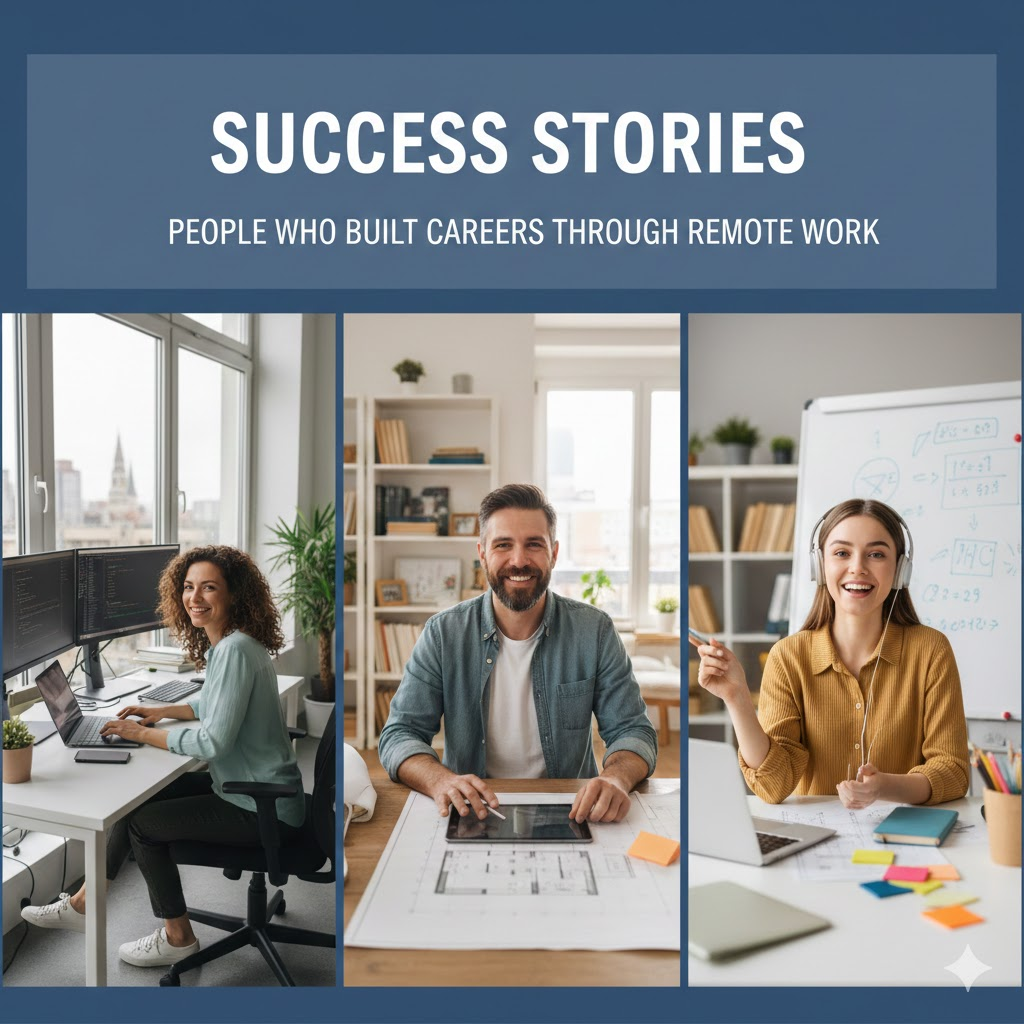
Many successful remote professionals did not follow a straight path. Some started with entry level roles, freelancing, or side projects before building stable careers.
Common lessons from remote success stories include:
- Starting small and growing steadily
- Being open to learning new tools and skills
- Building professional relationships online
- Staying consistent even during slow periods
These stories show that sustainability comes from persistence and adaptability rather than overnight success.
Maintaining Work Life Balance for Long Term Success
Burnout is one of the biggest threats to a sustainable remote career. Without clear boundaries, work can easily take over personal life.
Healthy habits include:
- Setting fixed working hours
- Taking regular breaks
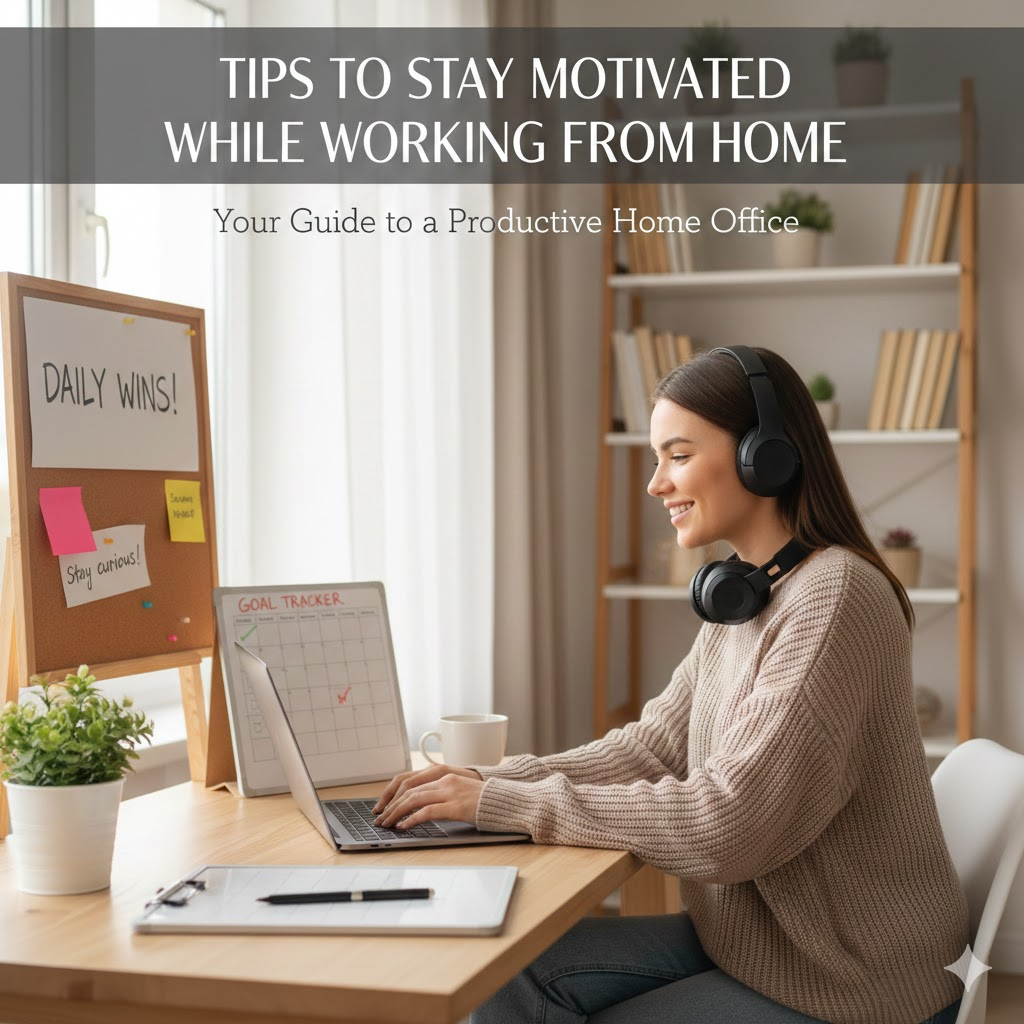
- Creating a dedicated workspace
- Disconnecting after work hours
Protecting your mental and physical health ensures that your remote career remains fulfilling in the long run.
Building a Long Term Growth Plan
A sustainable remote career requires a long term vision. This means thinking beyond your current role and planning where you want to be in three to five years.
Consider:
- Skills you want to develop
- Leadership or specialization opportunities
- Career transitions or expansions
- Financial and lifestyle goals
Revisiting your plan regularly helps you stay aligned with both personal and professional growth.
Final Thoughts
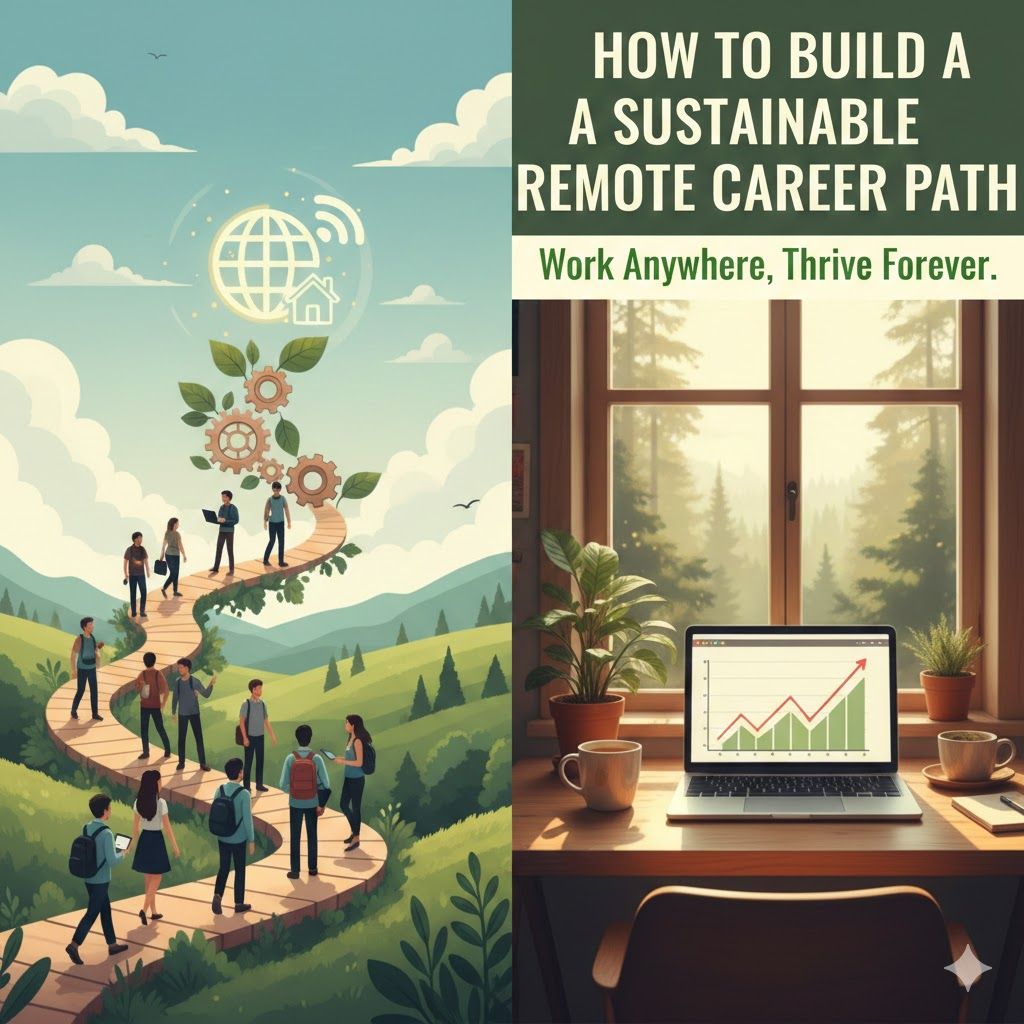
Building a sustainable remote career path is a journey, not a destination. It requires clarity, commitment, and continuous improvement. With the right skills, mindset, and habits, remote work can offer long term stability and growth.
By investing in yourself, learning from real experiences, and adapting to change, you can create a remote career that supports your goals and evolves with your life.
Frequently Asked Questions
What makes a remote career sustainable
A sustainable remote career includes stable income, in demand skills, growth opportunities, and healthy work routines.
How long does it take to build a remote career
The timeline varies. Some people transition within months, while others take a year or more to build skills and experience.
Can beginners build a remote career
Yes. Many remote professionals start with entry level roles, internships, or freelance projects and grow from there.
How can I grow my salary in a remote role
Focus on skill development, measurable results, and clear communication. Negotiation and specialization also play a key role.
Is remote work stable long term
Remote work continues to grow across industries. Professionals who adapt and keep learning are more likely to enjoy long term stability.