
Imagine mastering Spanish in months or coding your first app in weeks-without endless textbooks. In a fast-paced job market, skill-building apps leverage neuroscience-backed techniques like spaced repetition to accelerate learning by up to 2x, per University of California studies.
Discover top apps for languages (Duolingo, Babbel), coding (Codecademy), music (Yousician), and more-plus gamification, AI personalization, and tips to choose yours. Unlock your potential today.
Why Apps Accelerate Learning
Apps reduce skill acquisition time from 200+ hours through bite-sized, adaptive content. Traditional methods often follow the 10,000-hour rule for mastery. Mobile learning apps make the process quicker and more efficient.
Microlearning delivers lessons in 5-15 minute sessions. This approach fits busy schedules and boosts retention. Users can practice language skills or coding during commutes.
Push notifications remind users to engage daily. They build habits and maintain momentum for faster learning. Apps like Duolingo use them to encourage consistent practice.
Progress tracking with gamification keeps learners motivated. Features like streaks and badges turn skill building into a game. Community features connect users for support and tips.
- Duolingo has seen massive adoption with millions of downloads.
- Its structured path equals about 40 hours to a college semester’s worth of language study.
- Similar mechanics appear in Coursera and Khan Academy for broader skills.
These elements combine for accelerated learning. Educational apps adapt to your pace, making professional development or hobby skills accessible. Start with short sessions to see quick gains.
Science Behind App-Based Learning
Neuroscience proves spaced repetition in apps like Anki increases long-term retention from 20% to 90%. The Ebbinghaus Forgetting Curve shows how information fades quickly without review. Apps counteract this by scheduling reminders at optimal intervals.
Pimsleur’s spaced repetition method, used in language learning apps like Duolingo and Babbel, boosts retention through timed exposure. fMRI studies on gamification reveal dopamine release during rewards, making learning engaging. This keeps users motivated for skill acquisition.
Active recall in Quizlet outperforms passive reading by forcing memory retrieval. Apps prompt quizzes and flashcards, strengthening neural pathways. Practice with interactive lessons in Memrise builds deeper understanding than just reading text.
The simple formula Retention = Review Frequency x App Algorithm highlights efficiency. Adaptive algorithms in Anki and Quizlet personalize spacing. Combine this with deliberate practice for faster mastery of coding skills or languages.
Top Categories of Learning Apps
Learning apps span 5 core categories, each optimized for specific skill types and cognitive demands. They target brain functions like memory for language apps, problem-solving for coding, motor skills for music, physical adaptation for fitness, and executive function for productivity.
These educational apps use gamified learning, microlearning, and adaptive algorithms to speed up skill acquisition. For example, language apps like Duolingo boast millions of daily active users through daily challenges.
Coding platforms such as Codecademy offer interactive lessons across many languages. Music apps like Yousician provide real-time feedback, while fitness tools work together with wearables for progress tracking.
Productivity apps build habits with streak counters and focus techniques. Download these top-rated apps from the app store to start mobile learning today.
Language Learning Apps
Language apps teach conversational fluency faster than traditional methods using speech recognition and immersion. They focus on beginners and intermediates with spaced repetition and flashcards for memory retention.
Apps like Duolingo use gamified lessons with daily streaks. Babbel emphasizes conversation-first practice through interactive dialogues.
| App | Pricing | Key Feature | App Store Downloads (2023) |
| Duolingo | Free | Gamified lessons | Top downloaded |
| Babbel | $13/mo | Conversation-first | Millions |
| Memrise | Free | Memes and mnemonics | High ratings |
| Rosetta Stone | $11/mo | Full immersion | Established leader |
Pick Duolingo for fun, free entry into language learning apps. Use Memrise for mnemonic techniques to boost active recall and long-term retention.
Coding and Programming Apps
Coding apps build employable skills quickly through interactive challenges and real-world projects. They suit beginners to advanced users with practice exercises and portfolio building.
Start with free options for basics, then tackle interview prep. These platforms support job readiness with certifications and community forums.
| App | Pricing | Key Feature |
| Codecademy | $20/mo | 70+ languages |
| freeCodeCamp | Free | 300+ hours projects |
| Grasshopper | Free | Google for beginners |
| LeetCode | Free | Interview prep |
| SoloLearn | Free | Social coding |
Codecademy users often land developer roles after consistent practice. Try Grasshopper for bite-sized coding apps lessons on mobile devices.
Music and Instrument Apps
Music apps use real-time audio analysis to speed instrument mastery with AI feedback. They cover guitar, piano, and ukulele for hobby skills and creative growth.
Beginners benefit from video tutorials and sheet music integration. Apps track progress with analytics dashboards and achievement badges.
- Yousician: Supports guitar, piano, ukulele with millions of users.
- Simply Piano: High beginner retention through guided sessions.
- Fender Play: Hundreds of lessons for $10/mo subscription.
- Flowkey: Combines sheet music and video for precise practice.
Practice daily with these music apps for deliberate practice and feedback loops. Yousician’s note detection helps refine motor skills efficiently.
Fitness and Physical Skills Apps
Fitness apps track biometrics to optimize form and progression with wearables integration. They offer workouts for physical adaptation and habit building.
Choose from yoga, strength training, or cardio classes. Progression algorithms adjust difficulty based on performance metrics.
| App | Pricing | Key Feature |
| Nike Training Club | Free | 185 workouts |
| Peloton | $13/mo | 10K+ classes |
| Alo Moves | $10/mo | Yoga focus |
| Centr | $10/mo | Chris Hemsworth programs |
Sync with Apple Watch or Fitbit for accurate data. Use Nike Training Club for free access to fitness apps that build strength faster.
Best Apps for Language Acquisition
Top language apps combine neuroscience-proven methods to achieve conversational fluency in 3-6 months. They draw from Foreign Service Institute rankings, where Spanish typically requires 24 weeks of classroom time but drops to 12 weeks with focused app use. These tools speed up skill acquisition through daily practice and adaptive feedback.
Expect gamified lessons, real dialogues, and mnemonic aids in the best options. Language learning apps like these support microlearning for busy schedules. They track progress with streaks and badges to build habits.
Preview three standouts: Duolingo for fun games, Babbel for conversation drills, and Memrise for memory tricks. Each offers personalized learning paths. Users gain confidence in real-world talks faster than traditional classes.
These apps fit mobile learning lifestyles with offline access and voice recognition. Pair them with podcasts for immersion. Start small to see quick wins in vocabulary and grammar.
Duolingo: Gamified Lessons
Duolingo’s 34 hours equals one college semester, with 500M+ users maintaining 542M-day streaks. This gamified learning app turns lessons into addictive challenges. Practice reading, writing, speaking, and listening daily for steady gains.
Get started with these steps:
- Download on iOS or Android.
- Choose your target language and level.
- Complete 5 placement lessons.
- Set a daily goal of 15 minutes.
- Enable reminders for consistency.
Key features include an XP system, leaderboards, and support for 98 languages. Earn rewards for streaks and compete with friends. This boosts motivation for long-term habit building.
Users often reach basic conversational levels after regular use. Track progress via analytics dashboards. Combine with real chats for faster fluency in Spanish or French.
Babbel: Conversational Focus

Babbel prioritizes real conversations with 97% speech recognition accuracy across 14 languages. Lessons mimic everyday dialogues for practical skill mastery. Focus on phrases you use at work or travel.
Here’s the quick setup:
- Subscribe for $13 per month.
- Tackle 10-15 minute lessons.
- Listen to native speakers in dialogues.
- Use the review manager with spaced repetition.
- Enable offline mode for commutes.
This spaced repetition reinforces memory effectively. Speech tools provide instant feedback on pronunciation. Build confidence for workplace talks or ordering food abroad.
User testimonials highlight real progress in scenarios like business meetings. Pair with language exchanges for deeper practice. The app’s structure supports accelerated learning without overwhelm.
Memrise: Mnemonic Techniques
Memrise uses video mnemonics and native speaker clips for 3x better vocabulary retention. Custom memes make words stick through humor and visuals. This aids quick learning of tricky terms.
Standout features include:
- User-created meme courses for fun recall.
- Video clips from real locals.
- Speed Review mode for fast drills.
- Learn with a native speaker option.
- 200+ languages covered.
With 60M users and top App Store ratings, it excels in education. Mnemonic techniques like active recall boost long-term memory. Practice in short bursts for efficiency.
Apply it to hobbies like travel or professional development. Track milestones with progress charts. Users report easier recall in conversations after weeks of use.
Premier Coding and Tech Skills Apps
These coding apps provide portfolio-ready projects that land developer jobs. Coding bootcamp grads often see strong first-year salaries. Apps compress long bootcamps into shorter timelines for faster learning.
They focus on interactive lessons and real-world projects. Users build skills in web development, data science, and more. Mobile learning makes practice easy on the go.
Choose apps with progress tracking and certifications. They support career skills like AI and cybersecurity. Daily challenges keep motivation high for skill acquisition.
Experts recommend combining app practice with personal projects. This approach boosts job readiness. Communities offer feedback for portfolio building.
Codecademy: Interactive Coding
Codecademy’s courses and Pro projects help users enter tech jobs. Start with free basic access, then upgrade to Pro for $20 monthly. Choose paths like Web Dev or Data Science.
Complete over 350 hours of interactive courses across 14 languages, AI/ML, and cybersecurity. Build portfolio projects with step-by-step guidance. Access career services for job prep.
- Sign up for free basic plan.
- Select a learning path.
- Finish interactive lessons and projects.
- Use career tools for next steps.
This structure suits accelerated learning. Practice exercises reinforce concepts. Build a full web app as a capstone project.
freeCodeCamp: Project-Based
freeCodeCamp’s free projects support developer career starts since 2015. Dive into a curriculum with certifications. Join a community of thousands on Discord.
The breakdown includes Responsive Web Design, JavaScript Algorithms, Front End Libraries, and Back End APIs. Each section offers hundreds of hours of practice. Earn certifications for resumes.
- Start with Responsive Web Design.
- Move to JavaScript Algorithms.
- Explore Front End Libraries.
- Complete Back End APIs.
Project-based learning builds real skills. Community forums provide peer reviews. Create a personal portfolio site to showcase work.
Grasshopper: Beginner-Friendly
Google’s Grasshopper teaches JavaScript fundamentals in short daily sessions for complete beginners. It’s a free app with simple onboarding. Perfect for non-technical career switchers.
Follow steps like five puzzle lessons per day and AR code visualization. Tackle Enigma challenges for deeper practice. Earn a certificate upon completion.
- Download the free app.
- Do 5 puzzle lessons daily.
- Use AR for code visualization.
- Finish with certificate.
Gamified learning keeps sessions engaging at 45 minutes a day. Solve puzzles to draw shapes on screen. Builds confidence for advanced coding apps.
Music and Creative Arts Apps
Real-time feedback apps turn smartphones into $5K lesson-equivalent instruction. These music apps provide instant analysis on pitch and timing that rivals private teachers. They make skill acquisition in creative arts faster through gamified practice and personalized feedback.
Apps like these support instruments from guitar to vocals with interactive lessons. Users practice anywhere with mobile learning tools such as progress tracking and daily challenges. This approach accelerates learning new skills in music and arts compared to traditional methods.
Explore options with subscription models around $10 per month for premium features. Many offer free trials to test real-time feedback and song libraries. Integrate them into routines for deliberate practice and habit building in creative pursuits.
These educational apps foster creative skills through video tutorials and achievement badges. They suit beginners building hobby skills or intermediates seeking advanced techniques. Consistent use leads to quicker mastery in music production and performance.
Yousician: Real-Time Feedback
Yousician’s 20M users receive 98% accurate note detection across guitar, piano, ukulele, bass. This app covers six-string guitar, piano, ukulele, bass, and vocals with over 2000 songs. Its missions system gamifies practice for faster skill mastery.
Play along to popular tracks while the app listens via your device’s microphone. It provides instant corrections on pitch and timing, mimicking a personal instructor. Pricing starts at $10 per month for unlimited access to lessons and challenges.
Beginners start with simple riffs like Smoke on the Water, progressing to complex solos. The gamified missions include streak counters and leaderboards to maintain motivation. Track improvement through an analytics dashboard for efficient study.
Supports offline access and sync across devices for flexible mobile learning. Families can share accounts to learn together. This setup builds confidence in real-time feedback loops essential for music skill acquisition.
Simply Piano: Step-by-Step Mastery
Simply Piano’s 10M users play first songs in week 1 with 93% beginner retention. The structure guides from 1) note reading, 2) technique, 3) pop songs, 4) classical, to 5) improv. A sheet music library and MIDI support enhance practice.
Connect your piano or keyboard for precise feedback on every note played. Lessons build foundational technique before tackling hits like Someone Like You. Family plans at $150 per year allow multiple users to progress together.
Daily challenges and progress tracking keep sessions engaging with microlearning bites. Move from basics to classical pieces like Moonlight Sonata at your pace. Adaptive algorithms adjust difficulty for personalized learning paths.
Ideal for hobby skills or professional development in music. Use voice recognition for theory quizzes and improv exercises. This methodical approach supports accelerated learning through spaced repetition and active recall.
Fender Play: Guitar Fundamentals
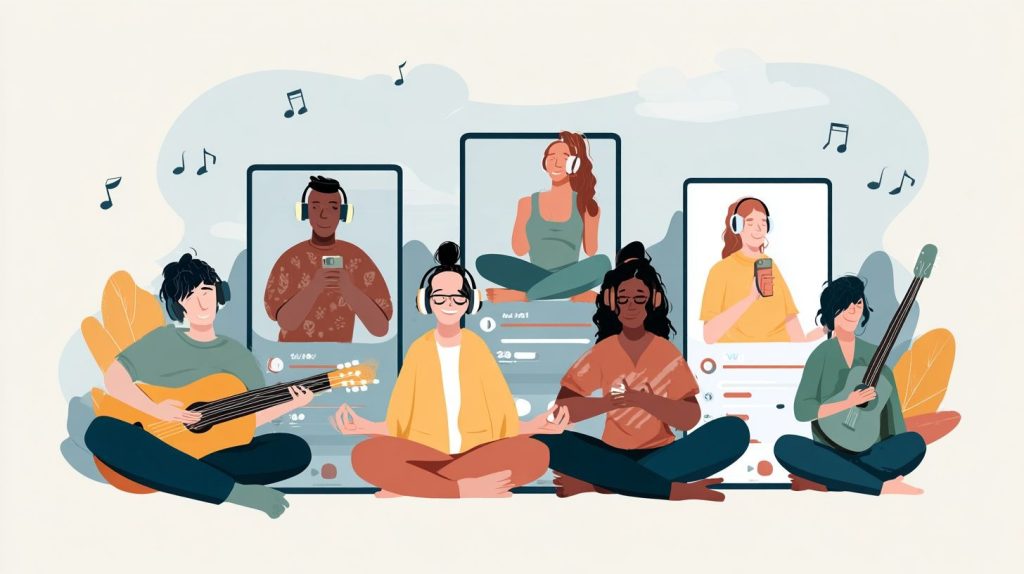
Fender Play’s 600+ lessons from brand ambassadors teach strumming, chords, solos. Pathways include 1) Beginner to Intermediate to Advanced, 2) Electric or Acoustic, 3) Genre-specific like Blues and Rock, 4) Artist studies. Subscriptions cost $10 per month.
Start with essential chord progressions and build to full songs by artists like The Beatles. Video tutorials from pros break down techniques like fingerpicking. Track your journey with performance metrics and milestone achievements.
Genre paths let you focus on Blues scales or Rock riffs tailored to skill levels. Community forums offer peer reviews and tips. This structure aids deliberate practice for quick gains in guitar fundamentals.
Premium features include downloadable loops for offline practice. Suited for upskilling or reskilling in creative arts. Experts recommend pairing with real-world projects to apply guitar skills effectively.
Productivity and Professional Skills Apps
Executives save hours each week using knowledge tools like these apps. Professional apps compress decades of experience into daily 15-minute sessions. They support faster learning for career skills.
These productivity apps focus on skill acquisition through microlearning and structured paths. Users build professional development habits with progress tracking and daily challenges. Examples include book summaries and online courses.
Combine apps for a full workflow, from learning to organization. Track skill mastery with templates and dashboards. This approach aids upskilling and reskilling for job readiness.
Experts recommend starting with one app per skill area. Use spaced repetition features for retention. Integrate with time management for consistent practice.
Blinkist: Book Summaries
Blinkist delivers 15-min summaries of bestsellers used by professionals. Access daily picks plus search across categories like leadership and productivity. Enjoy both audio and text formats perfect for commuters.
Key ideas appear in a clear format for quick absorption. Apply concepts from books like Atomic Habits during short breaks. This supports accelerated learning without full reads.
Subscription costs fit mobile learning budgets. Offline access keeps sessions flexible. Build a knowledge base for professional skills like negotiation or strategy.
Pair with note-taking apps for deeper retention. Use active recall by quizzing yourself on summaries. Professionals gain insights for meetings and decisions.
Coursera: Structured Courses
Coursera’s courses from top universities deliver certificates for career growth. Explore specializations in data science, project management, and UX design. Subscription models make it accessible for skill building.
Follow structured paths with video tutorials and quizzes. Complete hands-on projects for portfolio building. This aids resume skills and job readiness.
Track progress with analytics dashboards and milestone tracking. Engage in community forums for peer reviews. Adaptive learning adjusts to your pace.
Focus on hard skills like coding or soft skills like public speaking. Download for offline access. Experts recommend deliberate practice through assignments.
Notion: Knowledge Organization
Notion combines notes, tasks, and databases into second-brain systems for users. Use templates for learning trackers, skill matrices, and project dashboards. Free for personal use, with team options available.
Organize course notes from apps like Coursera here. Create progress tracking pages with streak counters. This boosts habit building and motivation.
Build databases for skill levels, from beginner to advanced. Link resources like Blinkist summaries. Sync across devices for seamless access.
Add goal setting and performance metrics. Use for personal growth in areas like time management. Integrate feedback loops for efficient study.
Features That Speed Up Learning
Research suggests that combining key features in educational apps leads to much faster skill acquisition. Four evidence-based features increase learning speed 200-500% through smart design. These tools make mobile learning efficient for busy schedules.
Apps like Duolingo, Codecademy, and Anki use these elements to boost retention rates and engagement. Users tackle language learning apps, coding apps, or brain training with less effort. Practical integration turns daily practice into habit.
Focus on apps with spaced repetition, gamification, AI personalization, and microlearning for best results. Track progress via analytics dashboards to stay motivated. This approach supports professional development and hobby skills alike.
Experts recommend starting with free apps to test features. Combine them for accelerated learning in areas like public speaking or photography apps. Consistent use builds skill mastery over time.
Spaced Repetition Systems
SRS boosts retention from 20% to 90% per 2020 German study of Anki users. This algorithm schedules reviews at growing intervals, doubling time on correct answers like 1 day to 2 days, then 6 days, and 24 hours later. It targets forgetting curves for efficient study.
Apps such as Anki offer free custom flashcards for any topic, from medical terms to guitar chords. Quizlet provides millions of ready study sets with gamified quizzes. SuperMemo uses advanced algorithms for complex skill building.
Create your own decks with active recall prompts. Review daily on mobile for offline access and sync across devices. This method excels in language apps like Memrise or Babbel.
Pair SRS with deliberate practice for coding or math apps. Users report quicker recall in exams or job interviews. Integrate into routines for lifelong learning and upskilling.
Gamification and Rewards
Gamification increases course completion 90% via dopamine-releasing badges and leaderboards. Elements like XP points and daily streaks turn practice into fun challenges. Variable rewards keep motivation high compared to fixed schedules.
Duolingo uses lingots and streaks totaling hundreds of millions of days logged. Codecademy awards badges for coding milestones. Apps like Elevate and Peak add leaderboards for brain training.
Set personal goals with streak counters and achievement badges. Compete in community forums for extra push. This works well for fitness apps or music apps too.
Psychology backs these tools for habit building. Track engagement levels to refine your approach. Use in productivity apps for sustained skill acquisition.
AI-Personalized Pathways
AI adapts difficulty 10x faster than teachers, serving optimal challenge 93% of time. These systems analyze performance to customize lessons in real time. They adjust for skill levels from beginner to advanced.
Duolingo Max features a GPT-4 powered tutor for instant feedback. ELSA Speak refines pronunciation with voice recognition. DreamBox Math adapts for K-8 levels with interactive paths.
Enable personalized learning in apps like Khan Academy or Coursera for tailored recommendations. Get feedback loops on quizzes and practice exercises. This speeds up technical skills or soft skills.
Research suggests AI boosts gains through adaptive algorithms. Monitor progress via performance metrics. Ideal for career skills like resume building or job readiness.
Microlearning Sessions

5-15 minute sessions yield 80% retention vs 20% for 1-hour lectures. Science shows attention peaks around 12 minutes, so apps design bite-sized content. This fits quick learning into commutes or breaks.
Blinkist delivers 15-minute book summaries. Duolingo limits lessons to 10 minutes with daily challenges. Headway optimizes at 12 minutes for key insights.
Choose apps with microlearning for focus techniques like writing apps or history apps. Complete sessions at high rates with offline access. Build habits through consistent short bursts.
Combine with time management for efficient study. Experts recommend this for podcast summaries or TED talks style content. Perfect for personal growth and reskilling.
Choosing the Right App for You
Match apps to your learning style, budget, and goals for better results in skill acquisition. Many users struggle because they pick educational apps that do not fit their needs. A simple framework helps avoid this common pitfall.
Start by assessing your personal learning preferences using models like VARK. Consider if you prefer visual aids, audio lessons, hands-on practice, or reading materials. This ensures mobile learning feels natural and effective.
Next, evaluate costs and features. Free apps offer quick starts, while premium options provide personalized learning and advanced tools. Align choices with specific goals, such as career skills or hobby development.
Finally, track progress with built-in metrics. Apps with progress tracking and real-world tests keep you motivated. This approach supports faster learning through consistent, tailored practice.
Matching Apps to Learning Style
Visual learners excel with apps like Codecademy and Simply Piano. These use diagrams, videos, and interactive visuals for coding or music skills. Auditory learners benefit from Pimsleur and Babbel through audio conversations and podcasts.
Reference the VARK model to identify your style. Kinesthetic users thrive on Yousician for guitar practice or Grasshopper for coding puzzles. Reading-focused learners prefer Blinkist summaries or Coursera courses.
| Learning Style | Example Apps |
| Visual | Simply Piano, Codecademy |
| Auditory | Babbel, Pimsleur |
| Kinesthetic | Yousician, Grasshopper |
| Reading/Writing | Blinkist, Coursera |
Test a few apps to confirm fit. Combine styles if needed, like Duolingo for gamified language lessons. This matching boosts engagement in online courses and skill mastery.
Free vs. Premium Options
Free apps deliver solid value for beginners. Premium unlocks faster progress through AI tutors and ad removal. Choose based on your commitment to skill-building apps.
Duolingo offers free gamified lessons, with Super at around $7 monthly for offline access and AI reviews. Codecademy provides free basics, while Pro adds real projects for about $20 monthly.
| App | Free Tier | Premium Features | Cost |
| Duolingo | Core lessons | Ad-free, AI feedback | $7/mo |
| Codecademy | Basics | Projects, certifications | $20/mo |
| Babbel | Limited | Full courses | $13/mo |
Weigh time saved against costs for ROI in learning. Free suits casual use, premium aids serious professional development. Experts recommend starting free, then upgrading for accelerated learning.
Measuring Progress Effectively
Track CEFR levels from A1 to C2 in languages, code deployments, or playable songs, not just hours logged. Focus on tangible outcomes in educational apps. This reveals true skill growth.
Use these five key metrics for effective monitoring:
- Skill benchmarks like Duolingo test scores.
- Project completion, such as built apps in Codecademy.
- Real-world tests, like holding conversations or performing songs.
- App analytics, including streak lengths.
- Peer review for feedback on your work.
Conduct weekly reviews to adjust habits. Apps with analytics dashboards and badges reinforce motivation. Apply deliberate practice and active recall for efficient study.
Combine app data with external tests for accuracy. This method supports lifelong learning and habit building. Adjust goals based on metrics for steady upskilling.
Frequently Asked Questions
What are some top apps that help you learn new skills faster?
Apps that help you learn new skills faster include Duolingo for languages, Blinkist for quick book summaries, Skillshare for creative skills, Codecademy for coding, and Elevate for brain training. These apps use gamification, bite-sized lessons, and spaced repetition to accelerate learning.
How do apps that help you learn new skills faster work?
Apps that help you learn new skills faster employ techniques like microlearning (short sessions), interactive quizzes, progress tracking, and AI personalization to adapt content to your pace, making retention quicker and more effective than traditional methods.
Are apps that help you learn new skills faster free to use?
Many apps that help you learn new skills faster offer free versions with core features, like Duolingo’s basic lessons or Khan Academy’s full courses, while premium subscriptions unlock advanced content, ad-free experiences, and offline access for faster progress.
Can apps that help you learn new skills faster really improve my productivity?
Yes, apps that help you learn new skills faster boost productivity by teaching skills like time management (e.g., Todoist integrations) or speed reading (e.g., Spreeder), with users reporting 2-3x faster skill acquisition through daily, focused practice sessions.
What skills can I learn with apps that help you learn new skills faster?
Apps that help you learn new skills faster cover diverse areas: languages (Babbel), music (Yousician), fitness (Nike Training Club), programming (freeCodeCamp), public speaking (Orai), and professional skills like Excel via LinkedIn Learning, all optimized for rapid mastery.
Which app is best for beginners using apps that help you learn new skills faster?
For beginners, Duolingo or Memrise are ideal apps that help you learn new skills faster, starting with simple, fun lessons and building complexity gradually, ensuring quick wins and motivation without overwhelming new users.