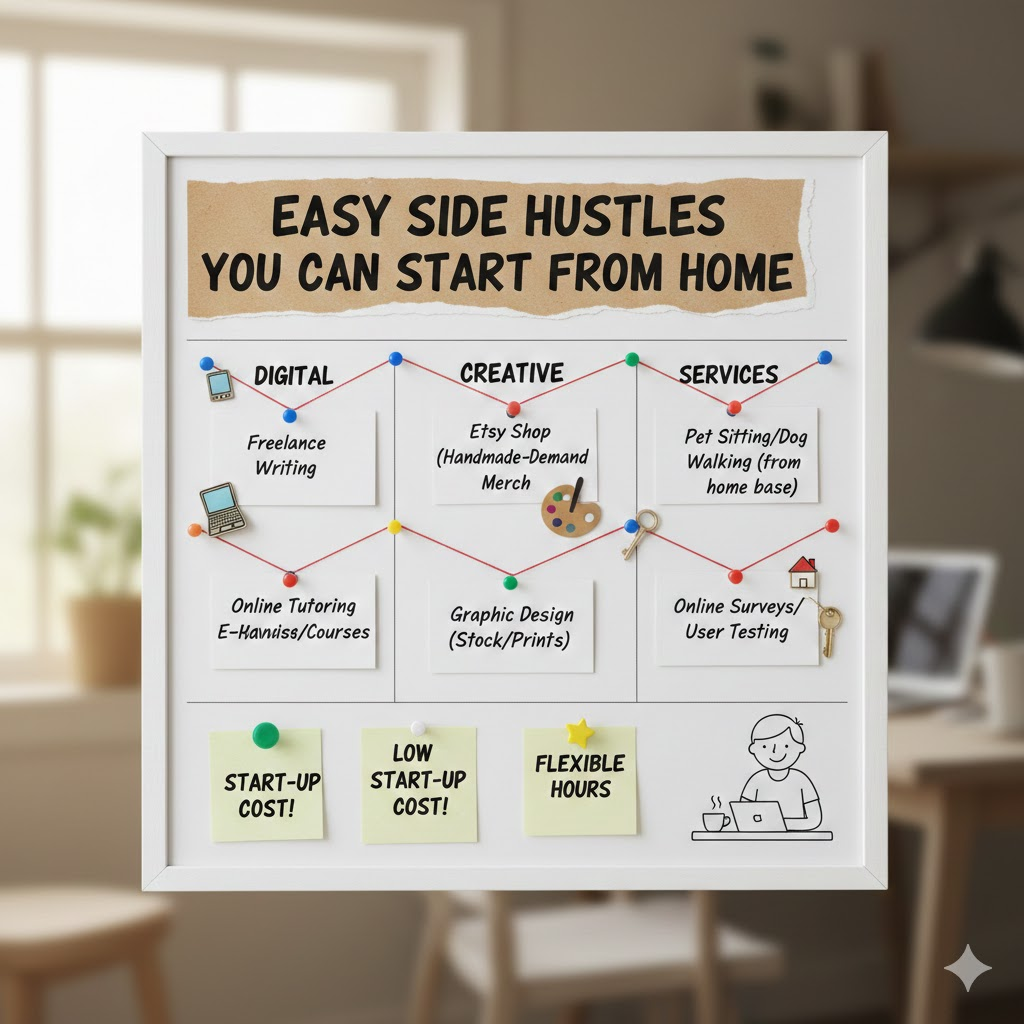
Many people want to start freelancing but feel stuck because they already have a full time job. The good news is you do not need to quit your job to begin. In fact, keeping your regular income while building freelance work is one of the safest and smartest ways to start.
Freelancing on the side allows you to test your skills, build confidence, and create an extra stream of income without taking big financial risks. With the right approach, you can turn your evenings and weekends into steady freelance earnings and maybe even a future full time independent career.
Why Start Freelancing While Employed
A full time job gives you stability. Freelancing gives you flexibility and growth.
When you freelance on the side, you remove the pressure of needing immediate income from clients. This lets you choose better projects, learn at your own pace, and gradually increase your rates.
Side freelancing also helps you discover what type of work you actually enjoy. You might start with general tasks and slowly move into a niche that pays better and feels more rewarding.
Most importantly, you build real world experience and a client base before making any big career decisions.
Choose a Skill That Fits Your Schedule
When you work full time, your freelance skill must be practical and easy to do in short focused sessions.
Some good options include:
- Content writing and copywriting
- Graphic design for social media
- Website setup and simple development
- Video editing for short videos
- Virtual assistance and admin support
- Social media management
- Online tutoring or coaching
These skills allow you to complete clear tasks in a few hours rather than needing long uninterrupted days.
Avoid services that require constant availability during office hours unless your day job is very flexible.
Set Realistic Weekly Goals
Trying to work another forty hours after your job will quickly lead to burnout.
Start small. Even five to ten hours of freelancing per week is enough to make progress. For example, you could work one hour each weekday evening and a few hours on Saturday.
Treat this time like an important appointment. Protect it from distractions, but also allow yourself rest days when needed.
Consistency matters more than intensity.
Create a Simple but Strong Portfolio
Clients care about what you can do, not where you studied.
Build two or three solid samples that show your skills. If you are a writer, create a few well written articles. If you design, create sample posts, logos, or landing pages. If you build websites, create a demo site for a fictional business.
Explain the goal of each project and the result you aimed to achieve. Clear examples make it easier for busy clients to trust you quickly.
You do not need a fancy website at the start. A clean online folder or simple one page site is enough.
Find Small, Flexible Projects First
As a beginner side freelancer, avoid large long term contracts that demand daily meetings.
Look for small defined tasks such as writing one article, designing five posts, editing one video, or setting up a basic website. These projects are easier to fit around your job and help you gain reviews and testimonials.
Freelance platforms and remote job boards are good starting points, but also reach out to small businesses and creators directly. Many need occasional help rather than full time support.
Master Clear and Fast Communication
Because you have limited time, communication must be efficient.
Respond to messages within a reasonable time, even if it is just to confirm you will deliver later. Set clear deadlines and stick to them. If your full time job delays you, inform the client early instead of going silent.
Professional communication builds trust and often leads to repeat work, which is easier to manage than constantly finding new clients.
Use Smart Time Management
Batch similar tasks together. For example, write all outlines in one session and do editing in another. This reduces mental switching and saves time.
Use simple tools like task lists and calendars to track deadlines. Plan your freelance work for the week in advance so you are not deciding each evening what to do.
If possible, use quiet early mornings or late evenings when interruptions are minimal.
Increase Rates Gradually
At the start, you may charge lower rates to win your first projects. That is normal, but do not stay there too long.
After completing several successful jobs and collecting testimonials, raise your prices step by step. Higher rates mean you can earn the same money with fewer hours, which is essential when balancing a full time job.
Focus on quality and reliability rather than competing to be the cheapest.
Protect Your Energy and Health
Working two jobs can be tiring. Schedule real breaks. Get enough sleep. Do not accept more freelance work than you can realistically handle.
It is better to grow slowly and sustainably than to rush, burn out, and quit.
Listen to your energy levels and adjust your workload when needed.
Plan for the Long Term
Side freelancing can stay a side income forever, or it can become your main career later.
Track your monthly freelance earnings. When your freelance income becomes consistent and covers a large part of your living costs, you will have the option to reduce your job hours or transition fully if you choose.
There is no rush. The power of freelancing while employed is that you control the pace.
Frequently Asked Questions
Can I freelance legally while having a full time job?
In most cases yes, but check your employment contract. Some companies have rules about outside work or working for competitors. As long as there is no conflict of interest and you do your job well, side freelancing is usually fine.
How many hours should I freelance each week?
Start with five to ten hours. This is enough to build momentum without exhausting yourself. You can increase later if you feel comfortable.
What if my employer finds out?
Many employers are fine with side projects, especially if they are unrelated to your role. Being transparent can help, but only if your contract or company culture requires it.
How do I avoid burnout?
Keep clear boundaries. Set specific work hours for freelancing, take days off, and do not accept every project. Your health and performance at your main job must come first.
When should I think about quitting my job?
Consider it only when your freelance income is stable for several months and you have savings to cover slow periods. A careful transition is safer than a sudden jump.
Do I need to register a business to start?
In many places you can begin as an individual and register later when your income grows. Check your local tax rules and keep records of what you earn.
How do I find my first freelance clients?
Use freelance platforms, reach out to small businesses, tell your network what you offer, and share your work online. Personal connections and direct messages often bring the first opportunities.
Can freelancing really replace a full time salary?
Yes, but it takes time. Many people start with small side income, then grow it into equal or higher earnings than their jobs through better skills, higher rates, and repeat clients.
Freelancing while working full time is not about overnight success. It is about steady progress, smart time use, and building real value for clients. With patience and discipline, your side projects today can become serious income tomorrow.