
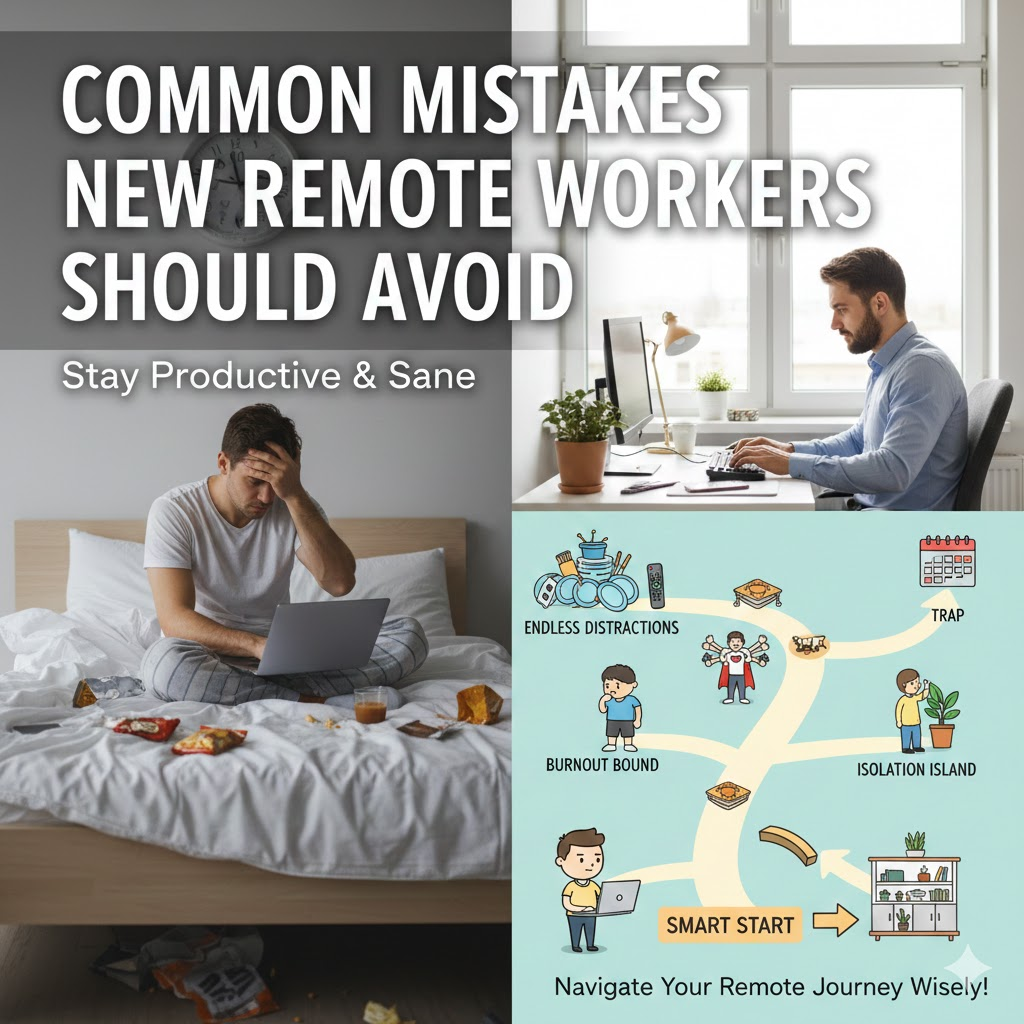
Starting a remote job can feel exciting and liberating. The freedom to work from home, flexible schedules, and fewer commutes are appealing benefits. However, many new remote workers struggle in the early stages because they unknowingly fall into common traps.
Remote work requires a different mindset, habits, and skills than traditional office roles. Avoiding early mistakes can help you stay productive, protect your well being, and build a successful remote career. This guide highlights the most common mistakes new remote workers should avoid and explains how to prevent them.
Not Creating a Structured Routine
One of the biggest mistakes new remote workers make is assuming flexibility means no structure. Without a daily routine, work hours can become inconsistent and productivity can suffer.
A lack of routine often leads to procrastination or overworking. Setting regular start and end times, planning tasks in advance, and maintaining simple rituals can create a healthy rhythm that supports focus and balance.
Working From Anywhere Without Boundaries
While it sounds appealing to work from the couch or bed, doing so regularly can reduce focus and motivation. Mixing work and rest spaces blurs boundaries and makes it harder to switch off mentally.
New remote workers benefit from creating a dedicated work area, even if it is small. A clear workspace helps signal your brain that it is time to focus.
Overworking and Ignoring Breaks
Many beginners feel pressure to prove they are productive, especially when working remotely. This often leads to long hours and skipped breaks.
Overworking may feel productive in the short term, but it increases fatigue and burnout. Taking regular breaks, stepping away from screens, and respecting personal limits are essential for long term performance.
Poor Communication With Team Members
Remote work depends heavily on communication. New remote workers sometimes assume silence equals productivity, but lack of communication can create confusion and misalignment.
Failing to ask questions, share updates, or clarify expectations can lead to mistakes. Clear and timely communication builds trust and prevents misunderstandings.
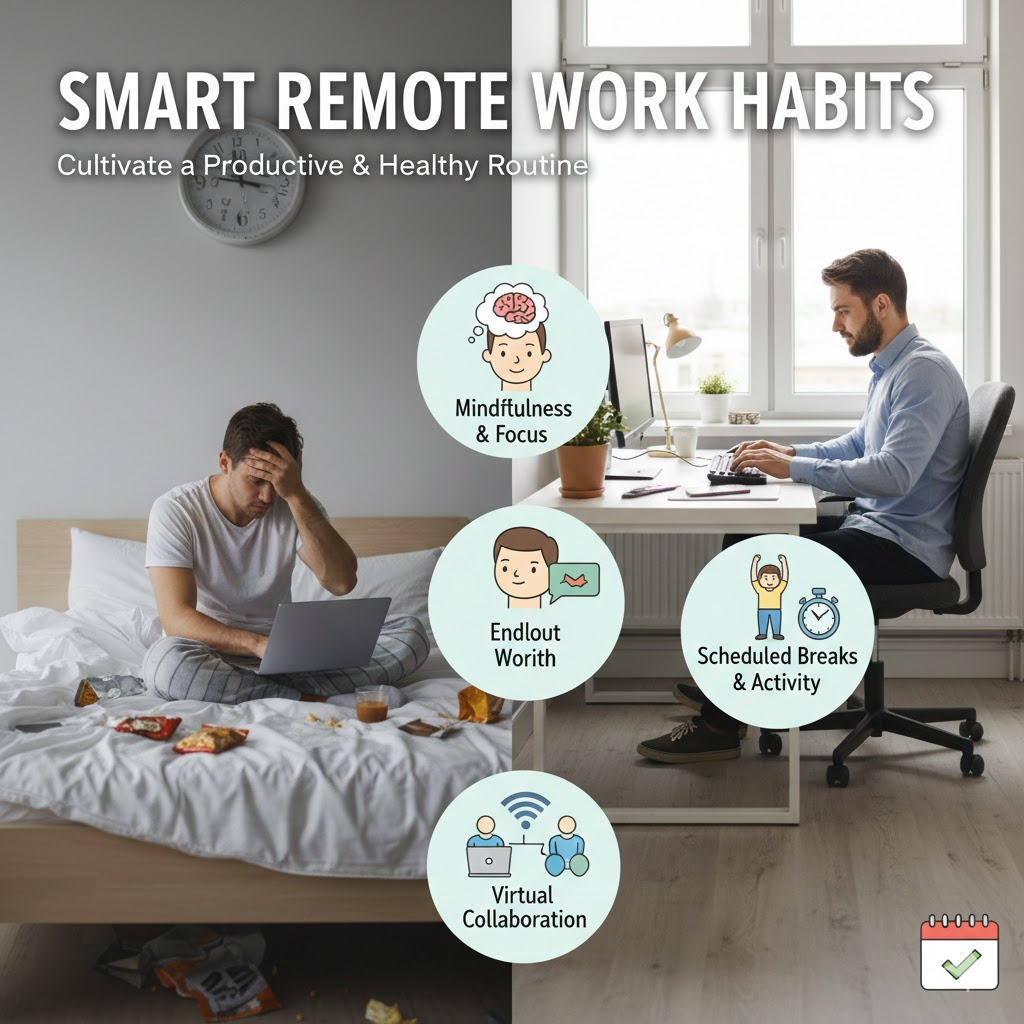
Not Managing Distractions at Home
Home environments come with unique distractions such as household chores, family members, and digital interruptions. New remote workers often underestimate how disruptive these can be.
Ignoring distractions instead of managing them leads to frustration and lost time. Setting boundaries, limiting notifications, and scheduling focused work periods help reduce interruptions.
Neglecting Self Discipline and Accountability
Remote work offers independence, but it also requires strong self discipline. Without direct supervision, some new workers struggle to stay consistent.
Waiting for motivation instead of building habits can slow progress. Creating accountability through task lists, goals, or check ins helps maintain momentum.
Failing to Track Work and Progress
New remote workers sometimes forget to document their work. This makes it harder to demonstrate value, request feedback, or negotiate growth opportunities.
Tracking tasks, achievements, and results provides clarity and supports professional development. It also helps you identify areas for improvement.
Avoiding Social Interaction
Remote work can feel isolating, especially for those new to it. Avoiding social interaction may seem efficient, but it can harm morale and motivation.
Engaging with teammates, joining virtual discussions, and connecting with other remote professionals builds a sense of belonging and support.
Not Investing in Skill Development
Some new remote workers focus only on completing tasks and overlook long term skill growth. This limits career progression and adaptability.
Remote careers benefit from continuous learning. Building new skills and staying updated keeps your work relevant and opens new opportunities.
Expecting Instant Success
Many people assume remote work will immediately feel easier or more enjoyable. When challenges appear, frustration sets in.
Remote work success takes time. Adjusting expectations and allowing yourself to learn through experience leads to better outcomes.
Ignoring Health and Well Being
Sitting for long hours, poor posture, and lack of movement are common issues for remote workers. New professionals often ignore physical and mental health until problems arise.
Simple habits such as stretching, moving regularly, and maintaining healthy routines protect energy and focus.
Final Thoughts
Remote work offers incredible opportunities, but success depends on how well you adapt. Avoiding these common mistakes can make your transition smoother and more sustainable.
By building structure, communicating clearly, managing distractions, and prioritizing well being, new remote workers can create strong foundations for long term success.
Remote work is a skill that improves with practice. Learning from early mistakes helps you grow faster and work with confidence.
Frequently Asked Questions
Why do new remote workers struggle at first
Remote work requires self management, clear communication, and discipline, which can take time to develop.
How long does it take to adjust to remote work
Most people adjust within a few months as they build routines and habits that support productivity.
Is remote work harder than office work
It depends on the individual. Remote work offers flexibility but requires more personal responsibility.
Can mistakes in remote work affect career growth
Yes. Poor communication, burnout, and lack of visibility can slow growth, but these issues are preventable.
What is the best way to succeed as a new remote worker
Focus on structure, communication, learning, and self care. Consistency matters more than perfection.