Starting a fully remote career can feel exciting and overwhelming at the same time, especially if you are new to remote work. Many people believe remote jobs require advanced technical skills or years of experience, but that is not always true. With the right mindset, basic skills, and a clear plan, beginners can successfully build a remote career from scratch.
This guide will walk you through the essential steps to start a fully remote career with confidence.
What Is a Fully Remote Career
Understanding Fully Remote Work
A fully remote career allows you to work from anywhere without needing to visit a physical office. All work related tasks such as communication, collaboration, and reporting happen online using digital tools.
Fully remote roles can be full time, part time, freelance, or contract based, depending on the company and job type.
Skills Needed for Remote Work Success
Remote work requires strong self discipline, accountability, and time management skills. Unlike traditional office jobs, you are responsible for structuring your day, meeting deadlines, and staying productive without constant supervision.
Beginner Friendly Remote Job Roles
Entry Level Remote Job Options
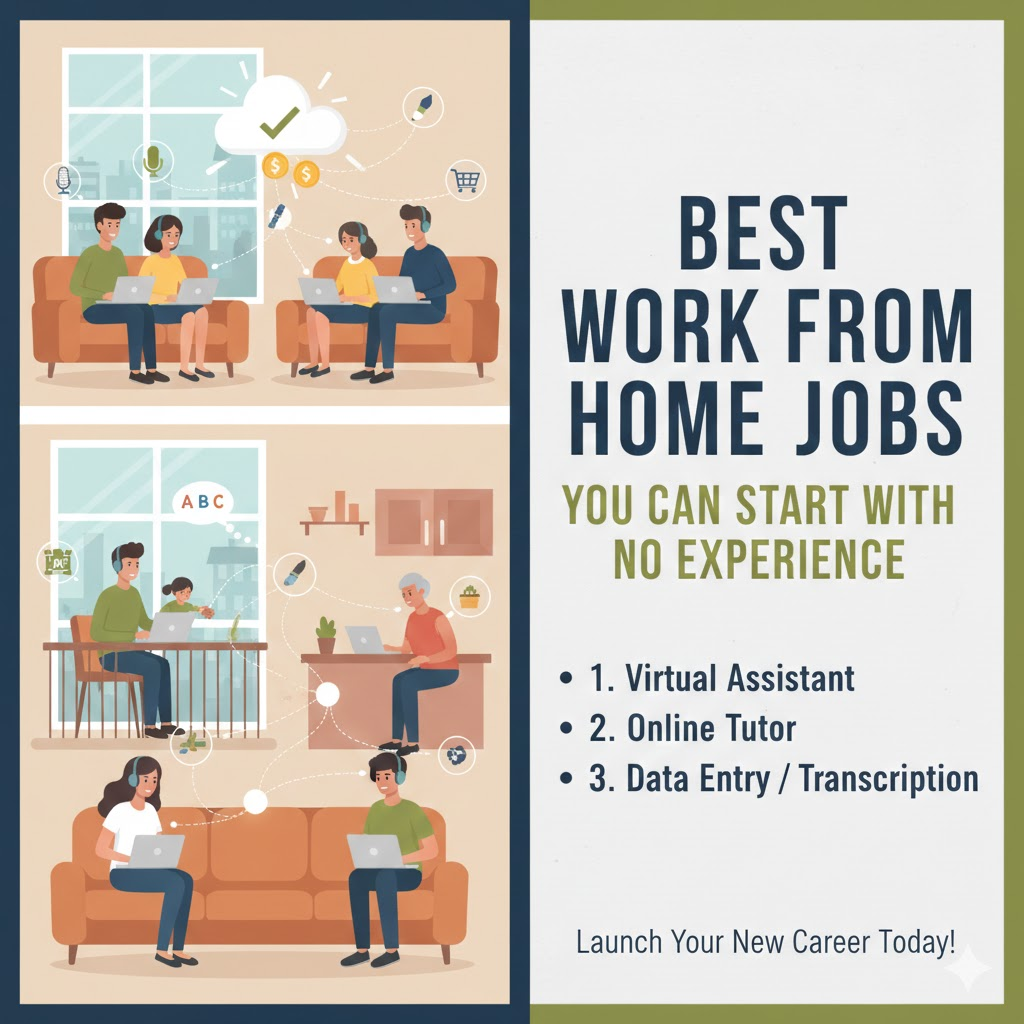
If you are just starting out, it is best to focus on roles that do not require extensive experience. Common beginner friendly remote jobs include:
- Virtual assistant
- Customer support representative
- Data entry specialist
- Content moderator
- Online tutor
- Social media assistant
These roles rely more on communication, organization, and consistency than advanced technical knowledge.
Why Starting Small Matters
Starting with a beginner friendly role helps you gain confidence, understand remote workflows, and build experience that can lead to better opportunities in the future.
Essential Skills for a Remote Career
Soft Skills Employers Look For
Even entry level remote roles require certain soft skills. Employers value:
- Clear written and verbal communication
- Reliability and consistency
- Basic computer skills
- Problem solving abilities
How to Build Remote Skills
You can develop these skills through online courses, practice projects, volunteering, or internships. Learning tools like email platforms, video conferencing software, document editors, and task management systems gives you a strong advantage.
Creating a Remote Ready Resume
What to Highlight on Your Resume
A remote resume should show that you can work independently. Highlight transferable skills such as time management, communication, adaptability, and teamwork.
What to Include If You Lack Experience
If you do not have formal work experience, include academic projects, volunteer work, internships, or personal projects. Employers care more about effort, consistency, and willingness to learn than a perfect background.
Setting Up Your Home Workspace
Basic Requirements for Remote Work
You do not need an expensive setup, but a productive workspace should include:
- A quiet area
- A reliable internet connection
- A laptop or computer
- A headset for meetings
Why Workspace Matters
A comfortable and organized workspace improves focus and productivity. It also helps create boundaries between work life and personal life, which is essential for long term remote success.
Understanding Remote Hiring Processes
How Remote Hiring Works
Remote hiring usually involves online applications, virtual interviews, and skill based assessments. Some companies may also ask for written tests or trial tasks.
Preparing for Virtual Interviews
To prepare for remote interviews, practice clear communication, test your internet connection, and present yourself professionally. Being punctual and responsive leaves a strong impression.
Applying for Remote Jobs Successfully
Staying Consistent With Applications
Applying for remote jobs requires patience. Responses may take time, and rejection is part of the process. Apply regularly, customize each application, and track your progress.
Avoiding Common Remote Job Scams
Be cautious of offers that promise high income with little effort. Take time to research companies and focus on long term stability rather than quick results.
Growing in Your Remote Career
Learning on the Job
Once you land your first remote role, focus on learning and improving. Ask questions, manage your time well, and communicate openly with your team.
Advancing Your Career
With experience, you can move into higher paying roles, specialize in a niche, or explore freelance and consulting opportunities. A remote career grows through continuous learning and adaptability.
Final Thoughts
Starting a fully remote career as a beginner is possible with the right approach and realistic expectations. You do not need to have everything figured out from day one.
By starting small, building essential skills, and staying consistent, you can create a successful and fulfilling remote career. Remote work is more than a job option. It is a lifestyle built on discipline, growth, and independence.
Frequently Asked Questions
Is a fully remote career suitable for beginners
Yes. Many remote roles are designed for entry level candidates and focus on basic skills like communication, organization, and consistency rather than advanced experience.
Do I need technical skills to work remotely
Not always. While some roles require technical knowledge, many beginner friendly remote jobs only need basic computer skills and a willingness to learn.
How long does it take to get a remote job
The timeline varies. Some people find a role within weeks, while others take a few months. Consistency, skill building, and tailored applications improve your chances.
Can I work remotely without prior experience
Yes. By showcasing transferable skills, projects, volunteering, or online learning, you can qualify for entry level remote positions.
What is the biggest challenge of remote work
The biggest challenge is staying disciplined and managing time effectively. Creating routines and a dedicated workspace helps overcome this.